The Allure of Gambling
The psychological allure of gambling is a multifaceted phenomenon that combines elements of excitement, anticipation, and risk. Many individuals are drawn to casino games not only for the potential financial rewards but also for the thrill of the unknown, especially in an instant withdrawal casino where outcomes are swift and thrilling. This excitement can lead to a dopamine rush, akin to what one experiences in other high-stakes situations. The anticipation experienced before a win can create a compelling emotional rollercoaster that keeps players returning for more, as they chase the feeling of that exhilarating moment when fortune smiles upon them.
Additionally, the immersive environments created by casinos enhance this allure. Vibrant lights, upbeat sounds, and the camaraderie felt among fellow players cultivate an atmosphere filled with excitement and energy. Players often find themselves enveloped in a sensory experience that heightens their emotional engagement. The desire to chase that next big win can overshadow rational thoughts about financial risk, which further perpetuates the allure of gambling as individuals become entranced by the possibility of a life-changing payout.
The concept of risk is significant in gambling psychology, as many people are naturally attracted to taking chances. High-risk situations provide a sense of thrill that is difficult to replicate in everyday life. This is particularly evident in games of chance, where players willingly put their money on the line, lured by the prospect of winning big. Such dynamics can lead to patterns of behavior that blur the lines between casual play and compulsive gambling, highlighting the need for awareness of one’s motivations while participating in such activities.
The Role of Cognitive Biases
Cognitive biases play a critical role in how individuals perceive their experiences while gambling. For instance, the illusion of control can lead players to believe they have more influence over outcomes than they actually do. When engaging in games like poker or blackjack, players may feel that their skills can dramatically sway the results, despite the inherent randomness in many casino games. This belief can encourage players to develop strategies that often enhance only their illusion rather than their actual chances of winning, creating a false sense of confidence.
Another common cognitive bias observed in casinos is the gambler’s fallacy, which is a mistaken belief that past events can influence future outcomes. Players often assume that if a particular outcome has occurred several times in a row, such as a specific number in roulette, it is “due” to change. This fallacy can lead to poor decision-making and increased risk-taking behavior, as players chase what they believe to be patterns in randomness, inevitably resulting in greater losses.

Cognitive dissonance also plays a role in gambling psychology. Players may find themselves justifying losses by focusing only on their wins or by convincing themselves that they will have better luck on their next attempt. This rationalization can perpetuate a cycle of gambling, where individuals continue to invest time and money despite experiencing significant losses. The struggle to reconcile their actual experiences with their expectations can create internal conflict, ultimately binding them to the gambling experience even when it is detrimental.
The Emotional Experience of Winning and Losing
The emotional highs associated with winning in casino games significantly impact player behavior. Winning can lead to euphoric feelings that reinforce the gambling experience, contributing to a desire for repeat play. The success of a win provides instant gratification, satisfying a deep-seated need for achievement and reward. This winning experience is often heightened by social sharing, where individuals celebrate their victories with peers, amplifying the positive emotions tied to gambling and creating a shared sense of accomplishment.
Conversely, the emotional fallout from losing can be profound. For many, losing leads to disappointment, frustration, and even shame. When individuals experience a string of losses, they may become more determined to continue playing in an attempt to chase their losses, creating a dangerous cycle. This emotional whiplash can cloud judgment, often leading players to take risks they wouldn’t normally take outside of a gaming environment. The desire to recover losses can overshadow rational decision-making, plunging players deeper into a cycle of gambling.
The emotional component of gambling is often intertwined with personal identity. Individuals may associate their self-worth with their gambling success or failure, complicating the emotional landscape even further. This connection can make ceasing gambling difficult, as players may feel an intrinsic need to prove themselves through wins, creating further emotional turmoil and rationalizations for continued play. The intertwining of self-identity and gambling success can lead to an unhealthy relationship with both the game and oneself.
The Influence of Environment and Design
The physical environment of a casino is meticulously designed to enhance the gambling experience and influence player behavior. Factors such as layout, lighting, and sound play crucial roles in creating an inviting atmosphere that encourages prolonged engagement. Casinos are designed to be visually stimulating, drawing players into a space that melds excitement with an almost hypnotic effect. This design psychology exploits the brain’s natural responses to sensory stimuli, making it challenging for individuals to leave without feeling fulfilled or satisfied.
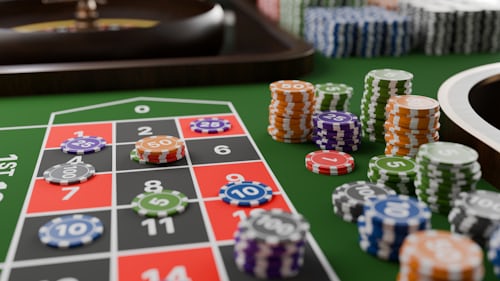
Furthermore, the strategic placement of games and amenities is meant to keep players inside the facility longer. For instance, slot machines are often positioned near the entrance, inviting new players to sit down and engage. The absence of clocks and windows contributes to this environment by creating a sense of timelessness, making it easy for players to lose track of their time and monetary investment. This can lead to extended play sessions that may exceed initial intentions, resulting in higher expenditures and deeper involvement in the gambling culture.
Operational strategies, such as complimentary drinks and rewards programs, are also designed to cultivate loyalty and enhance the overall player experience. By fostering a sense of belonging and appreciation, casinos deepen players’ emotional ties to the gambling experience. These strategies can create a feeling of community among players, enhancing social interactions and further embedding them in the casino culture. This sense of belonging can make it increasingly challenging to resist the allure of returning, as the social and environmental factors combine to create a powerful draw.
The Importance of Responsible Gaming
Given the psychological intricacies of casino gaming, it is crucial to prioritize responsible gaming practices. Awareness of one’s behavioral patterns, emotional responses, and the broader implications of gambling can mitigate risks associated with excessive play. Understanding cognitive biases, emotional triggers, and environmental influences empowers individuals to make informed decisions about their gambling activities. Responsible gaming encourages players to approach gambling as a form of entertainment rather than a means to earn money, fostering a healthier relationship with the activity.
Developing personal limits regarding time and spending can help maintain a healthy relationship with gambling. Establishing boundaries ensures individuals engage in gaming safely and enjoyably. Many casinos offer tools and resources to promote responsible gaming, including self-exclusion programs and informational campaigns to raise awareness about potential gambling issues. Players are encouraged to take advantage of these resources to cultivate a more balanced approach, thereby reducing the likelihood of negative consequences associated with gambling.
Online platforms often provide educational content regarding responsible gaming, emphasizing the importance of self-assessment and reflection. By fostering an open dialogue about gambling behaviors and potential risks, players can take proactive steps to ensure their gaming habits remain mindful and controlled. Whether playing in a physical casino or through online platforms, a focus on responsibility can lead to a healthier and more sustainable gaming experience. It is vital for all players to recognize that while the thrill of gambling can be enticing, maintaining control over one’s gaming habits is essential to avoid the pitfalls of overindulgence.