The Role of Luck in Gambling
The concept of luck plays a significant role in the realm of gambling, particularly in casinos. Many players believe that their fortunes are dictated by chance, with wins and losses fluctuating unpredictably. This randomness is a key factor that distinguishes gambling from more strategic forms of entertainment. In games like slots, the outcome is entirely based on luck, as players have no control over the results. Each spin is independent, and the odds remain the same regardless of previous outcomes. Many enthusiasts also explore various options, including bitcoin betting sites , which can add an extra layer of excitement to their experience. This inherent unpredictability can lead to both thrilling victories and devastating losses, emphasizing the role of luck in shaping the gambling experience.
Additionally, games such as roulette present a classic example of luck’s dominance in casino settings. Players place bets on where they think the ball will land, but the result hinges purely on chance. Though some strategies exist, they cannot alter the inherent unpredictability of the game. This reliance on luck can create an exhilarating atmosphere, as players experience the highs and lows of fortune with every roll of the dice or flip of a card, making gambling an emotionally charged experience. The thrill of not knowing what will happen next is a huge part of what draws people to casinos.
However, while luck is undoubtedly a factor, it’s essential to distinguish between luck and skill. In games that require strategy, such as poker, players can apply psychological tactics and mathematical theories to increase their chances of winning. Yet, even in these scenarios, luck remains an omnipresent element, influencing the effectiveness of any strategy. Therefore, while luck is a significant influence in casino winnings, the balance between skill and chance is what ultimately shapes a player’s success. This complex interplay adds depth to the gambling experience, making it not just about winning or losing, but also about understanding the nuances of chance.
The Illusion of Control
Many gamblers fall into the trap of believing they can control luck through rituals or superstitions. This phenomenon is known as the illusion of control, where individuals feel that certain behaviors can influence random events. For instance, players may wear lucky clothing, carry special charms, or follow specific routines in hopes of affecting their outcomes. These psychological tendencies can be powerful, providing comfort or a sense of agency in a largely unpredictable environment. The belief that specific actions can sway luck can be enticing, creating a false sense of empowerment.
This belief in control can lead players to chase losses, thinking that if they just play a little longer or change their strategy slightly, luck will eventually turn in their favor. However, this mindset can be dangerous, often resulting in significant financial losses. Understanding that luck cannot be manipulated is crucial for responsible gambling. Acknowledging the role of chance and recognizing its limitations can help players maintain a healthier relationship with gambling. This awareness can prevent the emotional spiral that often accompanies chasing after lost bets.
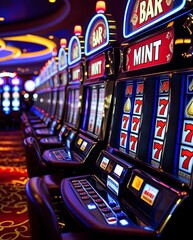
Moreover, the casino environment itself often enhances this illusion of control. With vibrant lights, sounds, and the presence of other players celebrating wins, it’s easy to feel that luck is a tangible entity that can be influenced. However, realizing that each game operates on mathematical probabilities can help demystify the experience. Players should be encouraged to approach gambling as a form of entertainment rather than a reliable source of income, which can help mitigate the emotional rollercoaster tied to luck. By fostering an understanding of the odds, players can make more informed decisions and enjoy their time without falling into the trap of misplaced control.
Your Strategy and Its Limits
While luck is a significant factor in casino winnings, employing a strategy can enhance the overall experience and potentially lead to better outcomes. Players who make informed decisions about the games they participate in can maximize their chances of winning. For instance, understanding the odds and payouts of different slot machines can help players find those with the best return-to-player (RTP) percentages. Knowledge can empower players to make choices that align with their goals, whether for enjoyment or profit. This strategic approach can elevate the gambling experience from mere chance to a more engaging interplay of knowledge and luck.
In table games, strategic elements become more pronounced. In blackjack, for example, players can employ basic strategies that suggest when to hit, stand, split, or double down based on the dealer’s visible card. Though luck will always play a role in the cards dealt, players who make decisions based on theoretical knowledge can better navigate the uncertainties of the game. This strategic element introduces an engaging layer to gambling, combining luck with calculated choices. By applying their understanding of the game, players can potentially increase their winning chances while still enjoying the thrill of chance.
Nonetheless, it’s essential to recognize that even the best strategy cannot guarantee winnings. The house always holds an edge, which means that no amount of skill can completely negate the impact of luck. This reality highlights the importance of responsible gambling practices, including setting limits on time and money spent at the casino. Ultimately, having a strategy can be beneficial, but players should remember that the unpredictable nature of luck will always be part of the equation. This understanding can foster a more balanced outlook on gambling and its potential outcomes.
The Psychological Impact of Luck
The psychological impact of luck on casino players cannot be underestimated. The highs of winning can trigger intense emotions, leading to feelings of exhilaration and satisfaction. Conversely, losses can be disheartening, creating stress and frustration. This emotional rollercoaster is a component of why individuals return to casinos, as the anticipation of luck swinging in their favor can be highly addictive. Understanding this psychological draw is crucial for both players and casino operators. The emotional stakes involved can profoundly influence play patterns and decision-making.
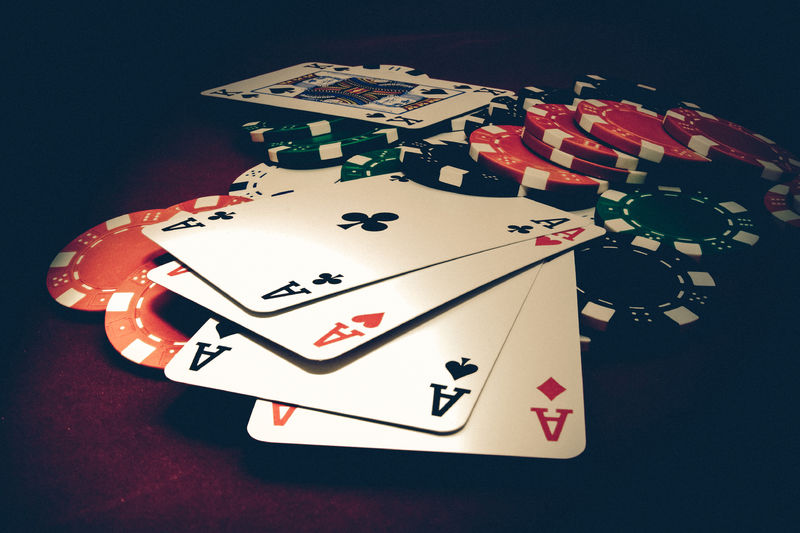
Moreover, the way luck affects players can vary significantly from person to person. Some individuals thrive on the thrill of chance, embracing uncertainty as a part of the gambling experience. Others may struggle with emotional regulation when faced with bad luck, leading to decisions that can further exacerbate losses. Recognizing one’s emotional responses to winning and losing is essential for maintaining a balanced approach to gambling and ensuring it remains a form of entertainment rather than a source of distress. This recognition can help players develop healthier gaming habits.
Additionally, the casino environment is often designed to amplify these psychological aspects. With colorful displays, enticing sounds, and welcoming atmospheres, the sensory stimulation can create a heightened state of excitement. This stimulation can make players feel as though luck is always just around the corner, encouraging them to continue playing. Casinos are aware of these psychological elements, and understanding them can help players make more conscious decisions about their gambling habits. This awareness can lead to a more enjoyable experience, where players can appreciate the thrill without succumbing to undue emotional pressure.
Conclusion: Embracing the Balance of Luck and Strategy
In conclusion, while luck undeniably influences casino winnings, it is essential to embrace a balanced approach that includes both an understanding of luck and the implementation of strategic play. Recognizing the unpredictability of games enhances players’ enjoyment and helps them maintain a responsible perspective on gambling. By acknowledging that luck can fluctuate, players are less likely to chase losses and more inclined to enjoy the experience as a form of entertainment. This balance can lead to a healthier relationship with gambling.
Gamblers should strive to improve their understanding of the games they play and the odds involved, ensuring that their strategies are informed and well-considered. This empowers players to make choices aligned with their goals while appreciating the thrill that comes with the element of chance. Ultimately, success in gambling does not solely hinge on luck; it requires a blend of knowledge, strategy, and an acceptance of the unpredictable nature of games. This comprehensive approach can enhance the overall gambling experience.
As individuals explore the exciting world of casinos, they should also prioritize their well-being and approach gambling as a form of leisure. Adopting responsible gambling habits and recognizing the limits of both strategy and luck can contribute to a more enjoyable experience at the casino. Balance is vital, allowing players to appreciate the excitement of gambling while keeping their emotions and finances in check. By fostering an understanding of both luck and strategy, players can enhance their enjoyment and satisfaction in their gaming endeavors.